Quick answer
Yes, you can safely swim in chlorinated swimming pools while wearing press-on nails if you use high-hold waterproof adhesive tabs or cyanoacrylate glue, observe a mandatory two-to-four-hour dry cure window before immersion, and choose short almond tips to minimize hydrodynamic drag. Heated hot tubs and prolonged submersion over four hours degrade adhesive bonds, but proper perimeter sealing and post-swim drying ensure multi-day retention.
Swimming in Pools with Press-On Nails: What Happens Under Water
The short answer is an emphatic yes: swimming in pools with press on nails is entirely possible without sacrificing your manicure or shedding tips in the deep end. However, aquatic durability does not happen by accident. When you step into a swimming pool, your artificial manicure encounters a complex combination of constant hydrostatic pressure, moisture permeation, chemical oxidizers, and hydrodynamic friction with every forward stroke. Understanding how these environmental forces interact with the bond line between your natural keratin nail plate and the synthetic resin tip is the foundation of preventing early lift and unexpected detachment.
The primary challenge is natural nail hydration dynamics. Natural human nails are porous keratin structures capable of absorbing up to twenty to twenty-five percent of their weight in water during prolonged submersion. As your natural nail bed absorbs pool water, the keratin expands, softens, and flexes along both its longitudinal and transverse arches. In contrast, rigid artificial press-on tips crafted from molded ABS polymer or cured salon gel maintain a fixed shape and dimensional stability. This physical disparity creates microscopic shear stresses along the adhesive interface: the natural nail swells and shifts beneath the inflexible tip, straining the adhesive boundary and creating tiny perimeter micro-voids where water can enter.
Chlorinated pool water compounds this mechanical strain through chemical action. Municipal pools and resort facilities maintain free chlorine levels alongside balance stabilizers, algaecides, and clarifying surfactants to preserve sanitary conditions. While these chemical additives keep the water safe from bacteria, they also act as mild degreasers that accelerate the emulsification of standard adhesive matrices. If your artificial tips are bonded with generic craft glues or non-waterproof adhesive tabs, chlorinated pool water gradually penetrates exposed perimeter gaps, weakening polymer cohesion and causing sudden edge separation.
Hydrodynamic drag plays an equally decisive role in swimming pool retention. During aggressive swimming tasks such as freestyle, butterfly, or tumble turns, the tips of your fingers lead every stroke into dense water resistance. Extra-long stiletto, square, or coffin nails act as mechanical levers: the further a nail tip extends past your natural fingertip, the greater the upward torque exerted on the adhesive boundary at the cuticle and sidewalls. Water rushing over an extended artificial free edge forces the tip upward, transforming minor perimeter micro-lift into an instant poolside pop-off.
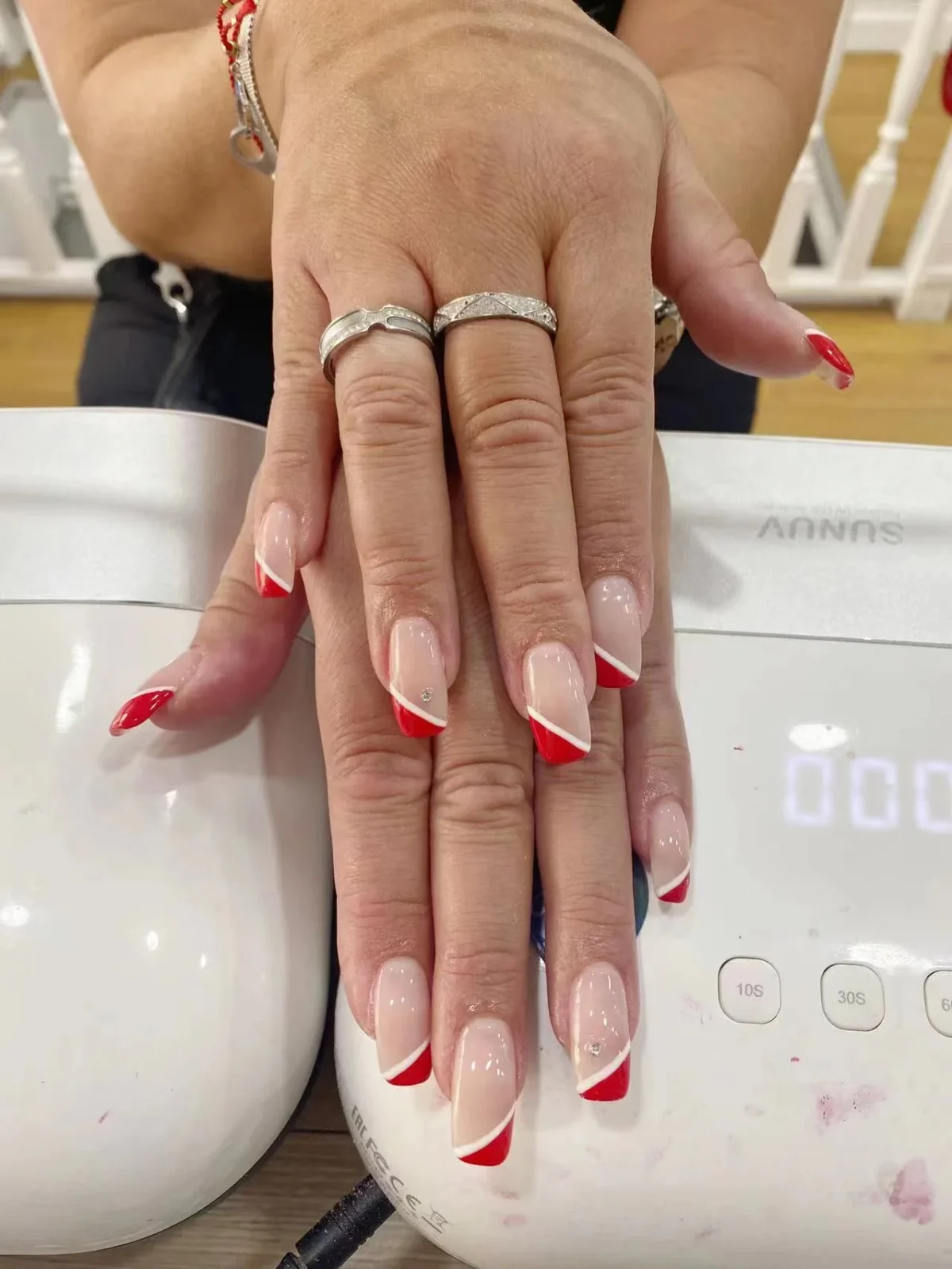
For this reason, short almond press ons for chlorinated water immersion limits represent the gold standard silhouette for swimmers and vacationers. Short almond silhouettes closely mirror the natural contours of your distal phalanx, creating an aerodynamic hydrodynamic foil that allows water to glide smoothly over the nail surface rather than catching against broad flat edges or long protruding apexes. Pairing short almond geometry with dedicated waterproof adhesives provides the resilience needed for continuous swimming sessions.
Adhesive Durability Benchmark: Waterproof Tabs vs Cyanoacrylate Glue vs Brush-On Resin
| Adhesive System | Chlorinated Pool Resistance | Thermal Water / Hot Tub Limit | Max Safe Immersion Time | Hydrodynamic Shear Resistance | Post-Swim Tip Reusability |
|---|---|---|---|---|---|
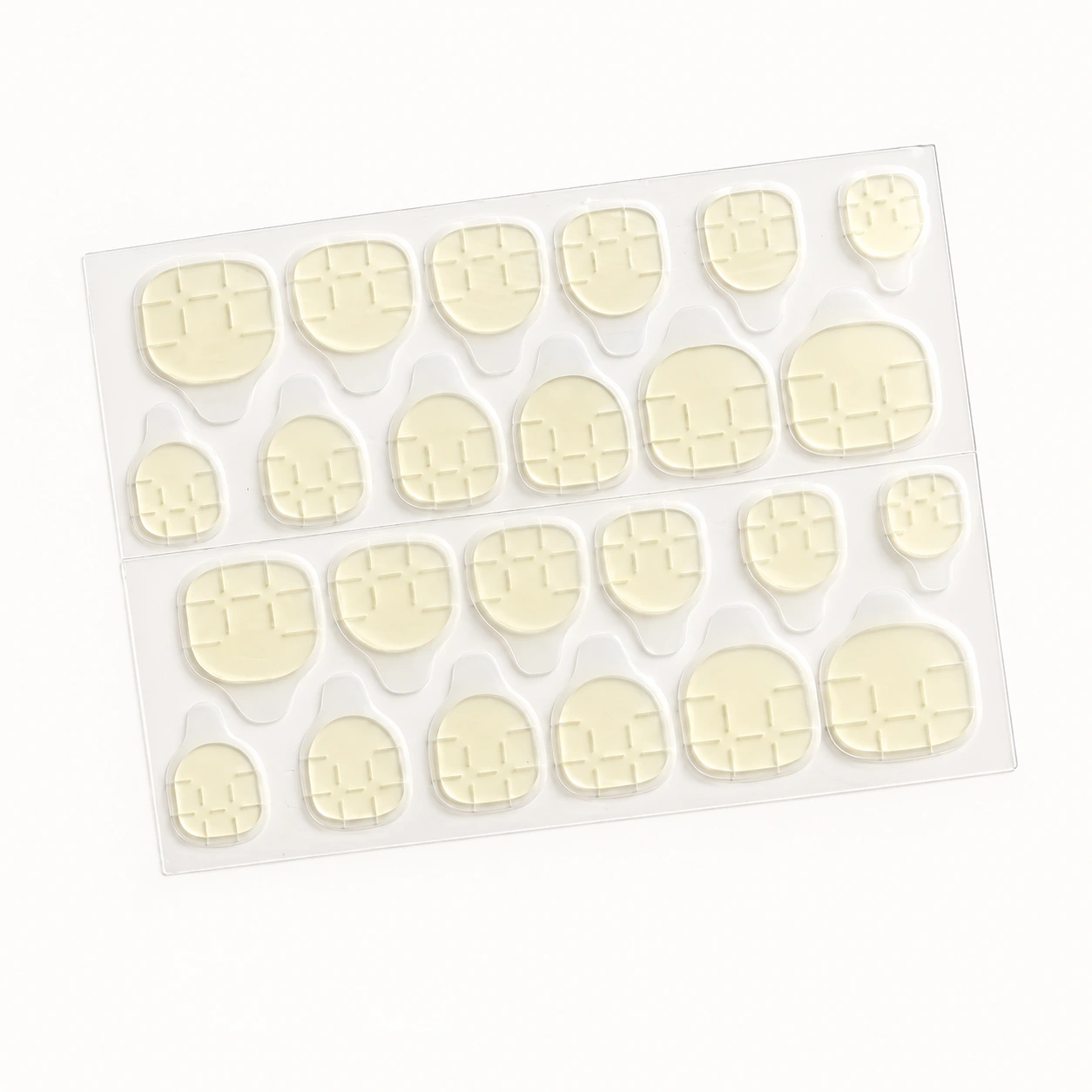
| Waterproof High-Hold Tabs (NL-ACC-14) | High: Hydrophobic elastomeric barrier blocks moisture migration | Moderate: Stable up to 37°C; soften in hot tubs above 39°C | 2 to 3 continuous hours per swim session | High: Absorbs flexible stroke vibrations without brittle fracture | Full Reusability: Clean release with gentle warm oil roll-off |
| Standard Clear Jelly Tabs | Poor: Peripheral water penetration within 30 to 45 minutes | Very Poor: Rapid matrix liquefaction in warm water | Less than 45 minutes before edge loosening | Low: Shifts easily under forward stroke drag pressure | Full Reusability: Low residual glue residue |
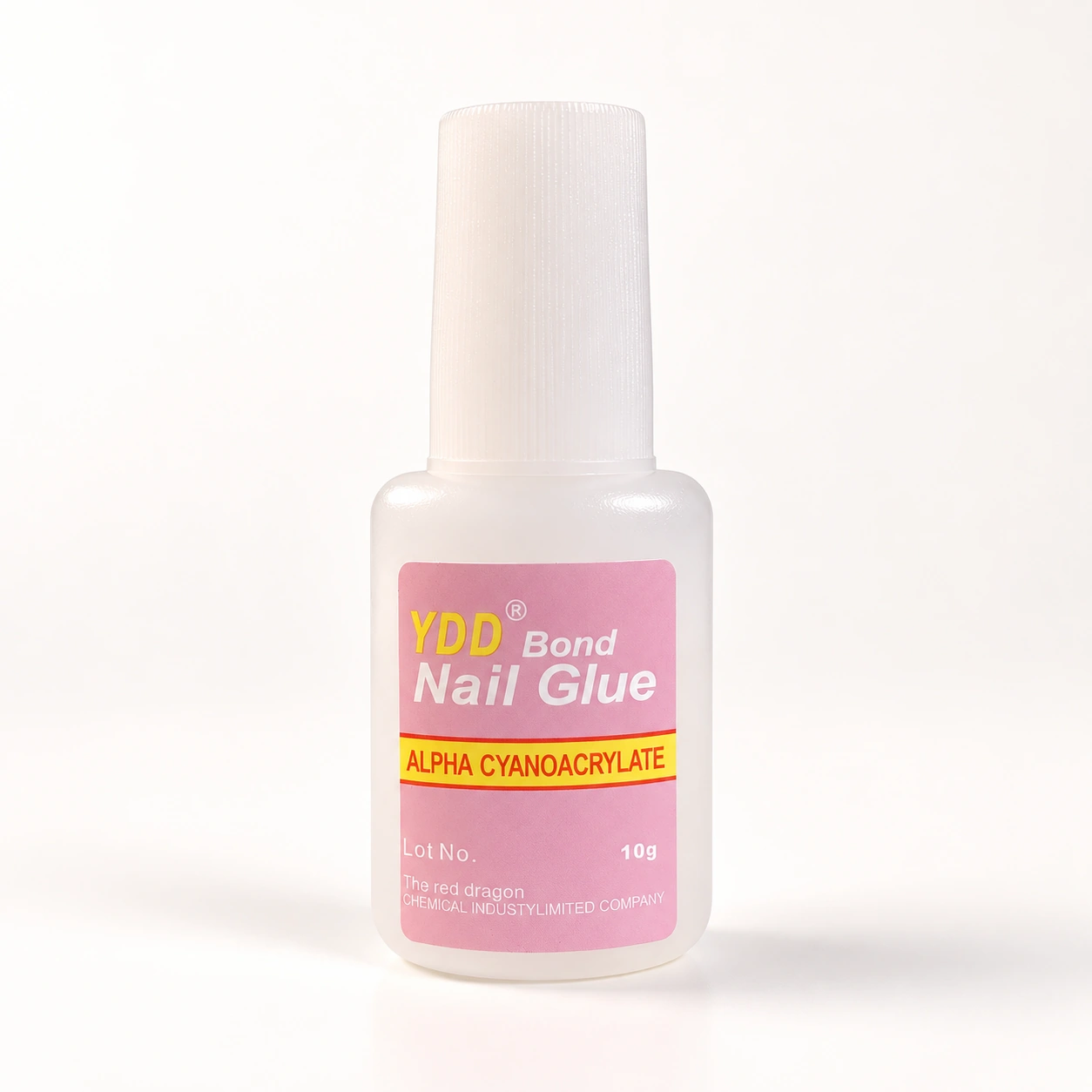
| Quick-Dry Cyanoacrylate Glue (NL-ACC-06) | Exceptional: Rigid crystalline polymer resists chemical degradation | Moderate: Prolonged hot water exposure accelerates bond fatigue | 3 to 4 continuous hours per swim session | Very High: Rigid shear lock prevents tip displacement | Partial Reusability: Requires gentle buffing or debonder cleanup |
| Brush-On Cyanoacrylate Resin | Exceptional: Even microscopic perimeter coat prevents edge voids | Moderate: Heat sensitive over extended 40°C thermal exposure | 3 to 4 continuous hours per swim session | Very High: Uniform coverage eliminates air pocket leverage | Partial Reusability: Retains tip integrity when released correctly |
| Solid UV Gel Putty (NL-ACC-05) | Superior: Fully cured cross-linked photopolymer acts as solid gasket | High: Superior thermal stability compared to cyanoacrylate glues | 4+ continuous hours in chlorinated or ocean water | Maximum: Zero micro-flexing between natural nail and artificial tip | Moderate: Requires mechanical soak-off or debonding solution |
Source & basis: Naylue Studio Manicure Lab wear-simulation benchmarks and swimmer retention logs (2026).
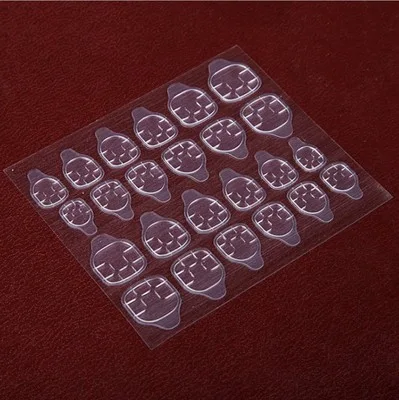
Selecting the best press on nails for swimming lap pool water requires balancing hold longevity with removal flexibility. Liquid cyanoacrylate adhesives establish a rigid, crystalline bond that excels at locking down edges against high-velocity lap swimming strokes. Because cyanoacrylate cures via surface moisture, it creates a chemically inert seal that is largely unaffected by pool sanitizers. However, its rigidity means that any mechanical flexure in a softened natural nail can cause sudden, brittle bond failure. Conversely, specialized waterproof yellow jelly tabs (such as Naylue NL-ACC-14) use an elastomeric high-tack polymer that flexes with natural nail expansion while maintaining an active water-repellent perimeter seal.
The 5-Step Waterproof Application Protocol for Swimmers
- Perform thorough cuticle clearance and dry mechanical preparation: Begin by gently pushing back the eponychium proximal fold and removing all dead cuticle tissue from the nail plate using an orangewood stick. Dead skin clinging to the nail bed is the leading cause of perimeter water channels. Lightly buff the shine off the entire nail surface using a 180-grit mini buffer to create microscopic mechanical texture for the adhesive to grip.
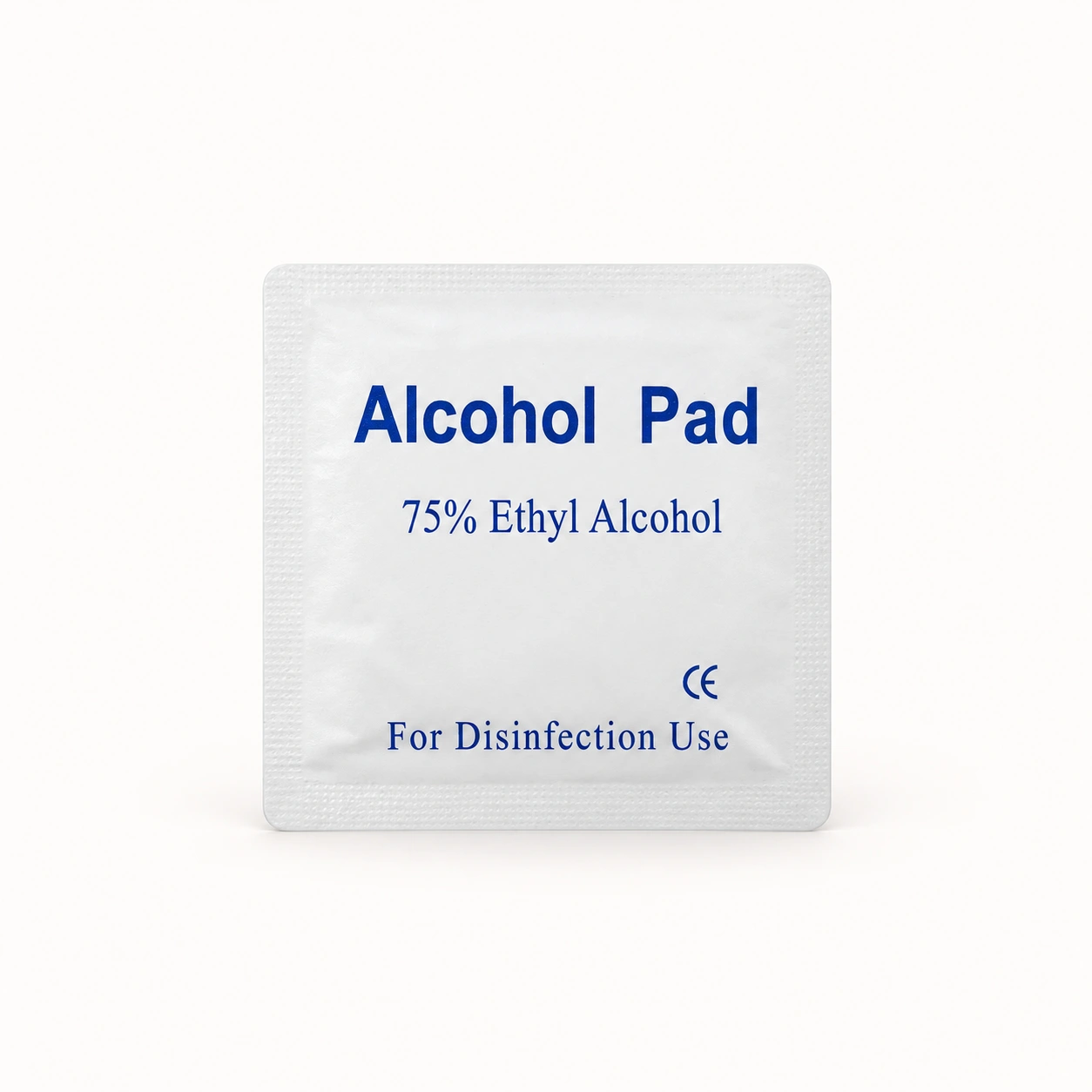
- Dehydrate the natural nail plate with 75% isopropyl alcohol: Cleanse each nail bed thoroughly using lint-free alcohol prep wipes (such as Naylue NL-ACC-07). Avoid moisturizing soaps, lotions, or cuticle oils for at least four hours prior to application. The natural nail plate must be completely dehydrated and free of surface sebum to ensure a moisture-impermeable bond interface.
- Verify precise lateral sidewall sizing without force: Test-fit every artificial tip against your natural nail prior to applying adhesive. A properly sized press-on must span from lateral sidewall to lateral sidewall without pressing down firmly or overlapping the surrounding skin. If a tip is too narrow, exposed edges will lift; if it is too wide, the tip rests on skin rather than nail plate, allowing pool water to enter immediately.
- Apply perimeter-sealed adhesive coverage: When using liquid glue, apply a balanced drop to the center of the natural nail and a thin perimeter glaze along the cuticle edge of the artificial tip to eliminate air gaps. When using waterproof adhesive tabs, select a tab size that covers ninety-five percent of the nail bed, press it firmly to push out air bubbles, and burnish the edges before peeling the protective film.
- Execute forty-five-degree angled placement with continuous pressure: Align the artificial tip at a 45-degree angle right at the cuticle line (leaving a 0.5 mm hairline boundary from live tissue), then slowly roll the tip down toward the free edge. Maintain firm, even pressure for a full thirty to forty-five seconds across the center and sidewalls to force out all trapped air pockets.
Thermal Water Limits: Why Hot Tubs and Saunas Break Down Nail Adhesives
While cold or ambient swimming pool water (24°C to 28°C / 75°F to 82°F) is easily managed by high-hold adhesives, heated water environments present an entirely different chemical challenge. Hot tubs, whirlpool spas, thermal mineral baths, and poolside saunas routinely operate at temperatures between 38°C and 41°C (100°F to 106°F). High heat acts as a physical catalyst: it expands the polymers in both adhesive tabs and liquid cyanoacrylate glues while simultaneously softening the ABS artificial nail tip. At these elevated temperatures, cyanoacrylate begins to lose tensile rigidity, while jelly tab adhesives transition into a tacky, viscous fluid state.
Furthermore, warm water causes natural nail plates to hydrate and expand at double their normal rate, while your fingertips perspire beneath the artificial tips, introducing moisture from underneath the bond. The combined effect of thermal polymer softening, accelerated nail swelling, and hot water turbulence makes the hot tub the number one environment for accidental nail loss. If your poolside itinerary includes hot tub relaxation, keep your hands resting comfortably along the dry coping edge above the water line to preserve your manicure.
Post-Swim Manicure Care, Maintenance, and How to Keep Press-On Nails On
- Pat-dry immediately and avoid edge prying: As soon as you exit the pool, gently pat your hands dry with a soft microfiber towel. Do not pull, pry, or test the stability of your tips while your hands are still damp. Your natural nails will slowly release their absorbed water over thirty to forty-five minutes, naturally restoring maximum bond rigidity as the keratin contracts back to its dry baseline.
- Seal seams with clear topcoat before swimming: If you are wondering can you paint press on nails to improve water resistance, the answer is a practical yes. You can paint press on nails with a clear gel or high-gloss topcoat along the perimeter cuticle seam prior to your trip to seal microscopic edge gaps against pool water. Furthermore, if repeated chlorine exposure dulls the factory high-shine finish of your tips, you can safely buff the surface lightly with a 240-grit buffer and paint your press-on nails with standard nail polish or UV gel polish to restore a brilliant salon appearance without weakening the underlying bond.
- Address trapped moisture immediately: If you notice a visible air-and-water bubble trapped beneath a transparent or translucent press-on tip, do not ignore it. Trapped pool water creates a dark, moist micro-environment that can harbor bacteria (commonly Pseudomonas, which causes green nail discoloration). If water is trapped, gently remove the affected tip using warm water and cuticle oil, cleanse the natural nail thoroughly with 75% isopropyl alcohol, let it air dry completely, and reapply with a fresh waterproof tab.
- Carry an emergency swim-tote repair kit: For active swimmers and poolside vacationers, carrying a compact repair kit prevents mid-day manicure interruptions. Keep a spare set of waterproof high-hold jelly tabs (NL-ACC-14), a travel bottle of quick-dry glue (NL-ACC-06), two alcohol cleansing wipes, and a mini buffer in your swim tote for rapid two-minute touch-ups.
Frequently asked questions
Can you swim in chlorinated pools immediately after applying press-on nails?
No. You should wait at least two to four hours after applying press-on nails before swimming in chlorinated water. Although nail glue dries to the touch in sixty seconds, the adhesive requires several hours to achieve full polymer cross-linking and moisture resistance. Swimming immediately after application allows pool water to penetrate uncured bond lines, causing premature edge lifting.
What is the best adhesive to keep press-on nails on while swimming?
For multi-day vacation wear with daily swimming, liquid cyanoacrylate bond glue (such as Naylue NL-ACC-06) provides the highest shear strength and chemical resistance against chlorine. If you prefer temporary wear with damage-free removal, waterproof high-hold yellow jelly adhesive tabs (Naylue NL-ACC-14) offer excellent hydrophobic sealing and flexible vibration absorption for two to three hours of continuous water immersion.
Can you paint press on nails with a clear topcoat before swimming to make them more waterproof?
Yes, you can paint press on nails with a clear topcoat or gel sealant to enhance water resistance. Brushing a thin layer of clear topcoat over the cuticle perimeter seam creates an extra barrier that prevents chlorinated water from seeping into microscopic edge gaps. Additionally, if chlorine exposure dulls your tips, you can lightly buff the surface and paint press-on nails with regular polish or gel color to refresh their finish.
Why do press-on nails pop off quickly in hot tubs compared to regular swimming pools?
Hot tubs operate at temperatures between 38°C and 41°C (100°F to 106°F), which softens the synthetic polymers in both nail glue and adhesive tabs while accelerating natural nail hydration. In regular pool water (24°C to 28°C), the adhesive remains rigid; in a hot tub, the combined heat and turbulence cause the adhesive to transition into a pliable, weakened state, leading to rapid pop-offs.
What should you do if water gets trapped underneath a press-on nail while swimming?
If water penetrates beneath a press-on nail, remove the tip promptly to prevent bacterial growth. Trapped moisture between the natural nail and an artificial tip creates a breeding ground for Pseudomonas bacteria, which causes green staining. Remove the tip gently with warm water and oil, sanitize your natural nail with 75% isopropyl alcohol, let it dry completely, and reapply with fresh adhesive.
Explore the collection: press-on nail accessories & prep tools.